November 16, 2026
A successful paving project depends on more than quality materials and skilled labor. The equipment brought to the job site plays an important role in preparing the ground, placing materials, creating smooth surfaces, and ensuring a durable finished result. Understanding what a paving contractor typically brings onsite can help property owners know what to expect and recognize the importance of proper preparation.
Preparing the Site With Excavation Equipment
Before paving begins, the work area must be prepared to support the new surface. Depending on the property's condition and the project's scope, this may involve removing existing pavement, clearing debris, adjusting elevations, or moving soil. A qualified paving contractor uses excavation equipment to complete these tasks efficiently and establish a stable foundation.
Common equipment used during site preparation includes:
- Excavators: These machines remove soil, break up existing materials, and help clear areas that need extensive preparation.
- Skid steers: Compact and maneuverable, they can move materials, clear debris, and assist with grading in tight spaces.
- Dump trucks: Trucks transport soil, gravel, broken pavement, and other materials away from the work area or deliver them onsite.
- Grading equipment: Graders and similar machines help create the appropriate slope and elevation before paving starts.
The equipment selected depends on the size of the project, the site's accessibility, and the amount of existing material that needs to be removed. Proper preparation helps prevent uneven surfaces and drainage problems after installation.
Measuring and Marking the Work Area
Accurate measurements help ensure that the finished pavement follows the planned dimensions and layout. Before materials are installed, the crew needs to identify property boundaries, establish elevations, and mark the areas where work will take place. These steps are especially important for driveways, parking lots, walkways, and other projects that must connect with existing surfaces.
A paving contractor may bring several tools to complete this work, including:
- Measuring tapes and measuring wheels help crews confirm distances, widths, and overall project dimensions.
- Laser levels: Laser equipment helps establish consistent elevations and slopes across the work area.
- Marking paint and stakes: Crews use these supplies to identify excavation limits, edges, and important layout points.
- String lines: These provide visual guides to maintain straight edges and consistent alignment.
Careful layout work can reduce material waste and limit the need for adjustments during installation. It also helps the crew account for drainage, transitions, and other details that influence how the finished surface functions.
Transporting and Placing Paving Materials
Moving materials safely and efficiently is another important part of the job. Depending on the project, crews may need asphalt, gravel, concrete, pavers, or other supplies. The materials and delivery equipment will vary depending on whether the work involves an asphalt driveway, a commercial parking area, a concrete feature, or a hardscape installation.
For asphalt paving, a crew may use dump trucks to deliver hot mix asphalt from a production facility. The truck must be coordinated with the paving schedule so the material arrives when the crew is ready to place it. For projects involving gravel or aggregate, loaders and dump trucks help move and distribute the materials across the prepared base.
Other useful tools may include wheelbarrows, shovels, rakes, and material-handling attachments. These allow workers to move smaller amounts of material into areas that larger machines cannot easily reach. A well-equipped paving contractor brings tools suited to the material being installed and the property's layout, helping the crew maintain an organized workflow.
Operating Paving and Spreading Machinery
Once the base is prepared and materials arrive, the crew can begin installing the pavement. The machinery used depends on the type of surface and the project's size. Larger asphalt installations often require specialized equipment to distribute material evenly, while smaller areas may call for more compact tools and manual placement.
For asphalt projects, common equipment includes:
- Asphalt pavers: These machines distribute hot asphalt across the prepared surface and help establish a consistent depth and width.
- Asphalt rakes: Workers use these tools to adjust material around edges, corners, and areas that require more precise placement.
- Screeds: Attached to paving machines, screeds help control the thickness and initial smoothness of the asphalt layer.
- Shovels and lutes: These hand tools help crews move and shape asphalt in areas where machinery cannot provide the necessary precision.
The right equipment helps maintain a consistent surface and supports an efficient installation process. For residential driveways and smaller paving areas, crews may use a combination of machinery and hand tools to work around landscaping, buildings, and other existing features.
Compacting and Finishing the Surface
After paving material is placed, it must be compacted or finished appropriately. Compaction helps remove air gaps and create a dense, stable surface. The proper technique depends on the material, its thickness, and the installation requirements.
A paving crew may bring equipment such as:
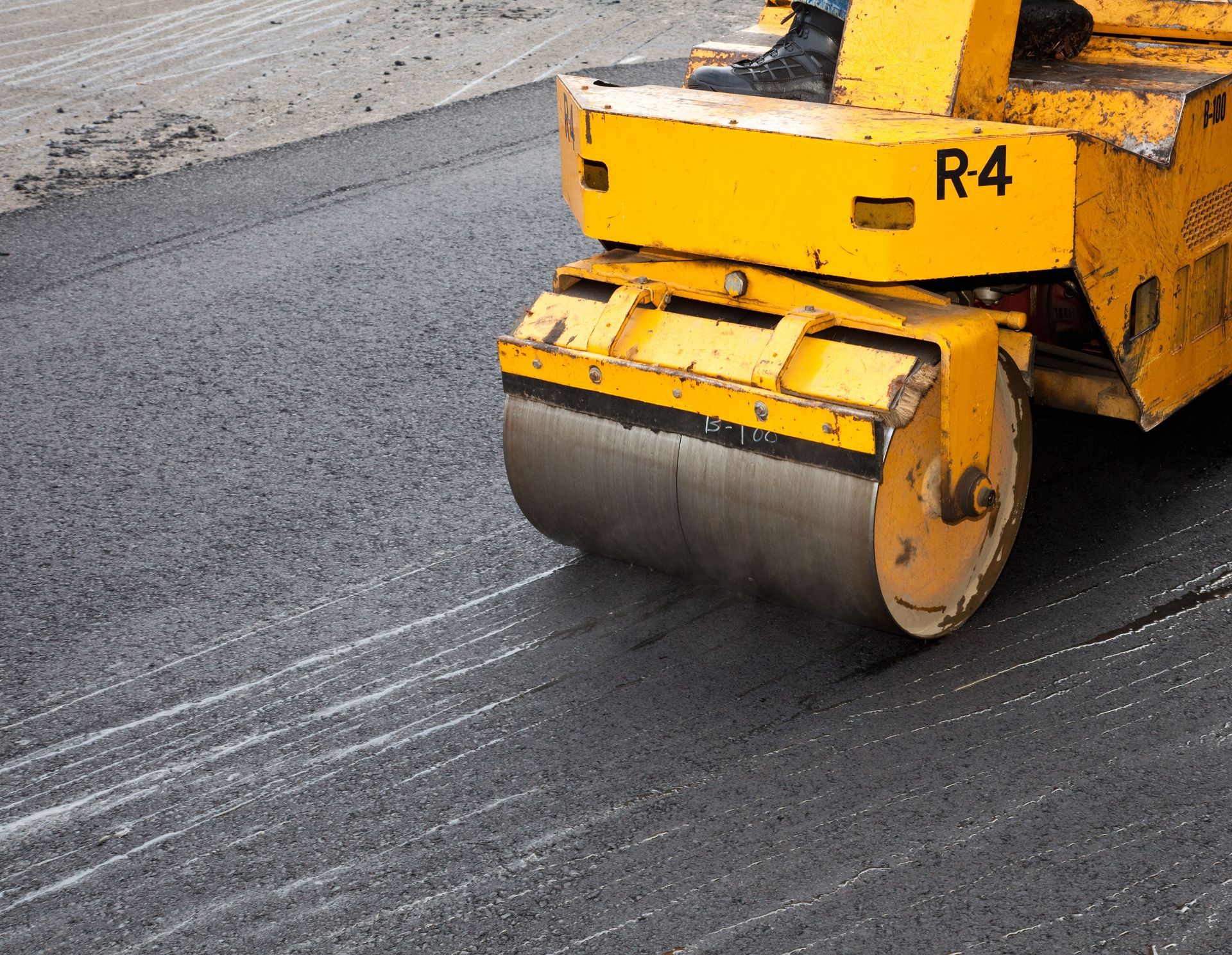
- Rollers: Asphalt rollers compact the material and help create an even finish across larger surfaces.
- Plate compactors: These machines are useful for compacting smaller areas, edges, and sections where larger rollers cannot operate.
- Hand tampers: Workers use these tools to compact material in confined spaces or around detailed features.
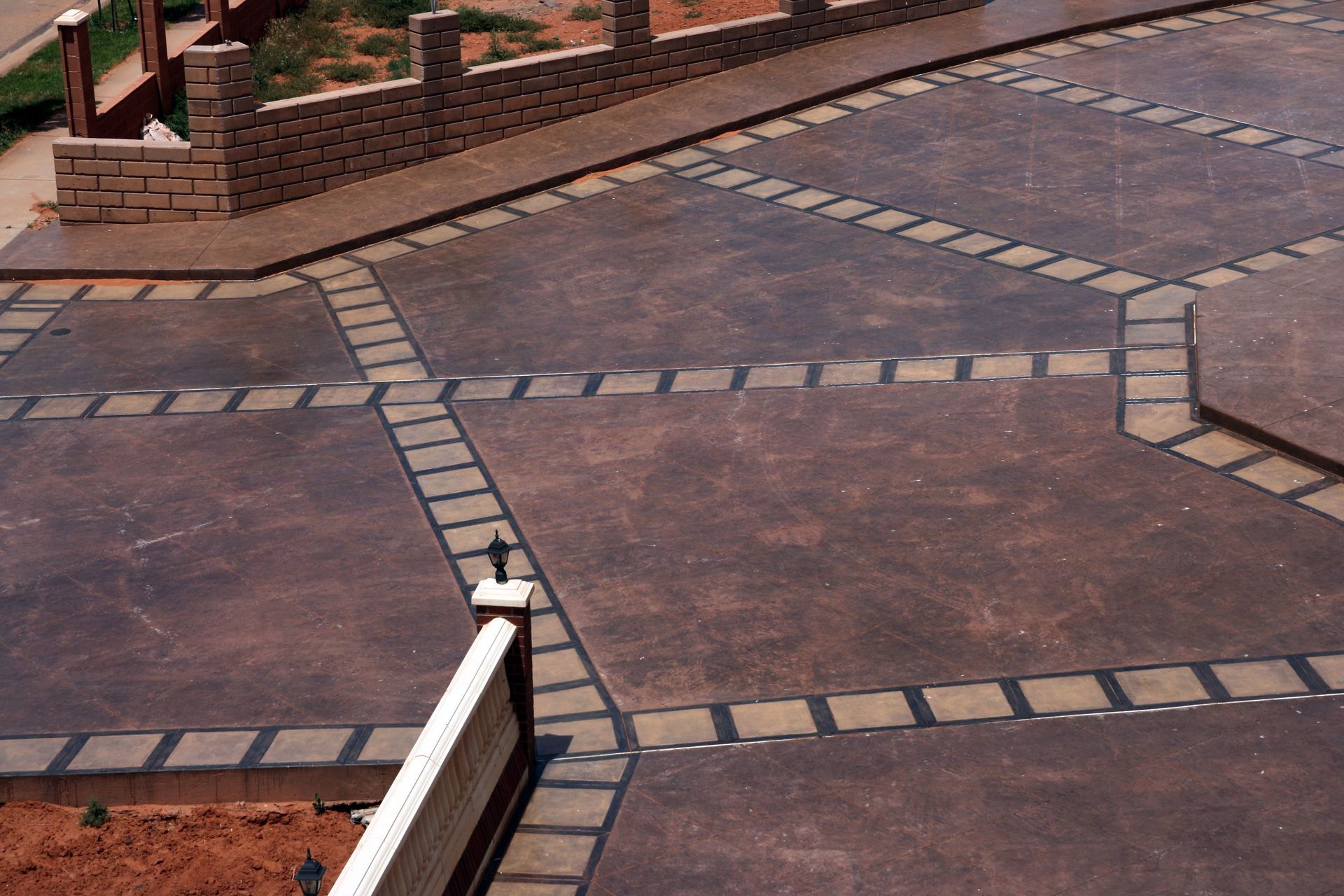
- Concrete finishing tools: For concrete projects, screeds, floats, and trowels help level and smooth the surface.
Compaction and finishing require attention to timing and technique. Asphalt must be compacted while it remains workable, while concrete needs to be shaped and finished during the appropriate stages of curing. Properly selected tools help the crew achieve a surface that performs as intended.
Managing Drainage and Site Conditions
Paving work must account for how water moves across the property. Without appropriate grading and drainage, rainwater can collect on the surface, contribute to erosion, or affect the pavement's long-term condition. Crews may use levels, grading equipment, and excavation machinery to establish slopes that direct water toward suitable drainage areas.
Depending on the project, additional supplies may include drainage pipe, catch basins, gravel, and other materials needed to manage runoff. A paving contractor may also bring compact pumps or other equipment when water needs to be removed from the work area before installation can proceed.
Bringing Safety Gear and Support Supplies
Heavy machinery and active construction areas require appropriate safety precautions. A professional crew should arrive with personal protective equipment and supplies that help workers remain visible, communicate clearly, and keep the site organized.
Typical safety and support items include:
- High-visibility clothing, hard hats, gloves, and protective footwear.
- Safety glasses and hearing protection.
- Traffic cones, barricades, and warning signs.
- First-aid supplies and fire extinguishers.
- Radios or other communication devices.
- Basic maintenance tools and replacement parts.
These items help crews manage potential hazards and keep unauthorized vehicles or pedestrians away from active work areas. Safety measures are particularly important for commercial paving projects where work may take place near customer parking, entrances, or moving traffic.
Checking Equipment Before Work Begins
Bringing the right machinery onsite is only part of preparing for a paving project. A professional paving contractor should also inspect equipment before use to confirm that it is operating properly. Crews may check fluid levels, tires or tracks, hydraulic systems, safety features, and moving components before starting the day's work.
A basic equipment inspection can help identify maintenance concerns before they interrupt the project. Workers should also confirm that tools are appropriate for the materials and conditions at the site. Having backup supplies and basic repair tools on hand can help reduce delays if a minor issue arises.
According to Zippia, there are over 16,840 pavers currently employed in the United States. This workforce supports a wide range of paving projects, making proper equipment selection and preparation important parts of delivering consistent results.
Planning for a Well-Equipped Paving Project
A successful paving contractor relies on a coordinated combination of excavation machinery, measuring tools, material-handling equipment, paving machines, compaction tools, and safety supplies. The exact checklist will depend on the property's layout, the materials being installed, and the work involved. When the crew arrives prepared, each stage can move forward more efficiently, from initial site preparation to the final surface.
For residential and commercial paving, excavation, driveway, and outdoor improvement services in Central Massachusetts, contact Complete Outdoor INC to discuss your project and request a free estimate.